Feeling weak can be easy to overlook, but weakness that spreads, worsens over time, or prevents you from doing everyday activities may be a sign of a late-onset neuromuscular disease (LOND).
What are your muscles trying to tell you?
Muscle weakness can happen for many common reasons, including aging, injury, illness, strenuous physical activity, or changes in fitness level. But neuromuscular conditions are different.
In these conditions, changes occur within the body’s cells that affect how muscles and nerves work. The brain and spinal cord send signals through nerves to control the body, and nerves also send information back to them. Neuromuscular diseases may affect the muscles themselves, the nerves that control the muscles, or the communication between nerves and muscles.
Late-onset neuromuscular diseases (LONDs) are a group of neuromuscular conditions that typically begin in adulthood, often after years of what seems like normal muscle function.
Don’t wait years for answers. Don’t cycle through dozens of doctors.
Understand LONDs.
The hallmark sign of a late-onset neuromuscular disease (LOND) is muscle weakness that just doesn’t feel right. It may get worse or spread and doesn’t seem to have an explanation. Things you should be able to do – despite your age, weight, or physical abilities – you can’t any longer.
Common Signs of LONDs
Weakness caused by an LOND may feel like a change in your ability to do things you’re used to doing or should be able to do.
Examples include difficulty with:
Standing from a seated position
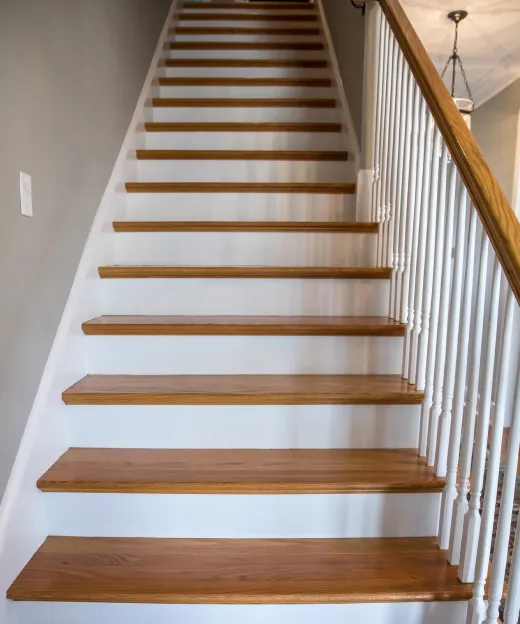
Picking up your foot to climb a stair or curb
Walking achievable distances (less than a mile)
Doing tasks with fingers or hands (e.g., opening a jar or typing on a keyboard)
Holding everyday items without dropping them
Lifting or keeping arms overhead (e.g., combing / drying hair or reaching a high shelf)
An LOND can cause one, two, or many of these symptoms.
If you’ve noticed any of these in yourself or someone close to you, consider seeing a doctor and mentioning this concern. You may need to ask your doctor to be screened for LONDs and for a referral to a neuromuscular specialist (NMS). If a NMS is not available in your area, a neurologist (NEURO) or physical medicine and rehabilitation (PM&R) physician who has experience diagnosing neuromuscular conditions and interpreting EMG testing may also be able to help with evaluation.
Share the LOND Clinical Decision Tool with your primary care doctor to help them determine if you should be screened for an LOND.
You are now leaving the WhyBehindWeakness website.
WhyBehindWeakness does not control, review, or endorse third-party websites, and you agree that the LONDC and ANF are not responsible for the content of the website you are about to enter.